
Introduction
Credit card debt can quickly spiral out of control with high interest rates and compounding charges. If you're struggling with credit card payments, debt settlement might be a viable solution to regain financial control. This comprehensive guide will help you understand credit card debt settlement and how it can help you achieve financial freedom.
What is Credit Card Debt Settlement?
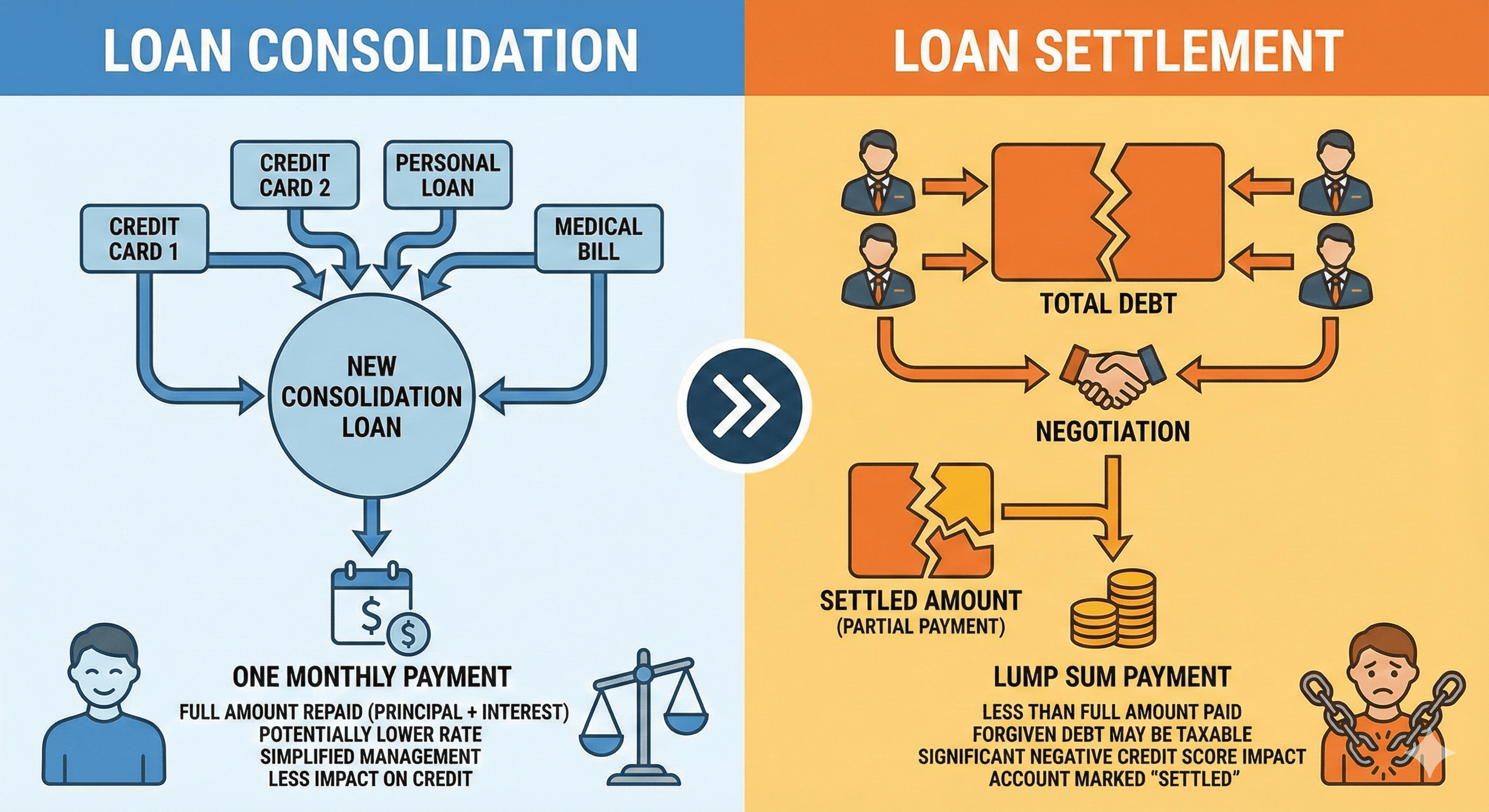
Credit card debt settlement is a process where you negotiate with your credit card company to pay less than the total amount you owe. Instead of paying the full outstanding balance, you agree to pay a lump sum that's typically 40-60% of the original debt. This allows you to resolve your debt for a fraction of what you originally owed.
How Credit Card Debt Settlement Works
The settlement process involves several key steps:
- Assessment: Evaluate your total credit card debt, interest rates, and financial situation
- Preparation: Gather all necessary documents including statements, payment history, and financial hardship proof
- Negotiation: Work with creditors or settlement professionals to negotiate a reduced payoff amount
- Agreement: Get the settlement offer in writing before making any payment
- Payment: Make the agreed lump sum payment or structured payments
- Documentation: Obtain written confirmation that the debt is settled and closed
When is Credit Card Settlement Right for You?
Credit card debt settlement may be appropriate if:
- You're significantly behind on payments (typically 90+ days)
- You're facing financial hardship (job loss, medical emergency, reduced income)
- Your total debt is substantial and you cannot afford minimum payments
- You have some funds available for a lump sum settlement
- You've exhausted other options like balance transfers or payment plans
- Your accounts are at risk of being charged off or sent to collections
Benefits of Credit Card Debt Settlement
1. Significant Debt Reduction
You can reduce your debt by 40-60%, saving thousands of rupees. For example, if you owe ₹5,00,000, you might settle for ₹2,50,000 - ₹3,00,000.
2. Stop Interest Accumulation
Once settled, interest and late fees stop accumulating, preventing your debt from growing further.
3. Faster Debt Resolution
Settlement allows you to resolve debt much faster than making minimum payments, which could take decades.
4. Reduced Stress
Eliminating debt reduces financial stress and allows you to focus on rebuilding your financial life.
5. Avoid Legal Action
Settling debt can prevent creditors from taking legal action or sending accounts to aggressive collection agencies.
Potential Drawbacks and Considerations
Credit Score Impact
Settlement will negatively impact your credit score, typically by 50-100 points. However, if you're already behind on payments, your score is likely already affected.
Tax Implications
In India, the forgiven debt amount may be considered income for tax purposes. Consult with a tax advisor to understand your specific situation.
Upfront Payment Requirement
Most settlements require a lump sum payment, which means you need to have funds available or save up for the settlement amount.
Creditor Cooperation
Not all creditors are willing to negotiate settlements, especially if accounts are current or recently opened.
The Settlement Process: Step-by-Step
Step 1: Evaluate Your Situation
Assess your total credit card debt, current financial situation, and ability to make a lump sum payment. Create a detailed list of all credit card accounts, balances, interest rates, and payment status.
Step 2: Stop Making Payments (Strategic Default)
While this may seem counterintuitive, creditors are more likely to negotiate when accounts are delinquent. However, this will impact your credit score, so it's a decision that requires careful consideration.
Step 3: Build Your Settlement Fund
Start saving money for settlement. Most creditors want 40-60% of the balance as a lump sum. Having funds ready strengthens your negotiating position.
Step 4: Negotiate with Creditors
You can negotiate yourself or work with a professional settlement company. Key negotiation points include:
- Emphasize financial hardship
- Start with a lower offer (30-40% of balance)
- Highlight that settlement is better than charge-off for the creditor
- Be prepared to walk away if terms aren't favorable
Step 5: Get Everything in Writing
Never make a payment without a written settlement agreement that clearly states:
- The settlement amount
- Payment terms and deadline
- Confirmation that the account will be marked as "settled"
- Agreement that no further collection attempts will be made
Step 6: Make the Payment
Once you have the agreement in writing, make the payment as specified. Consider using a cashier's check or bank transfer for documentation.
Step 7: Verify Account Closure
After payment, verify that the account is closed and marked as "settled" on your credit report. Keep all documentation for your records.
Tips for Successful Credit Card Settlement
- Be Patient: Negotiations can take time. Don't rush into the first offer.
- Document Everything: Keep records of all communications, agreements, and payments.
- Know Your Rights: Understand consumer protection laws and debt collection regulations.
- Consider Professional Help: Settlement companies have experience and relationships with creditors that can improve outcomes.
- Prioritize Accounts: Focus on settling accounts with highest balances or interest rates first.
- Stay Committed: Once you start the process, see it through to avoid further complications.
Working with Settlement Professionals
While you can negotiate settlements yourself, working with professionals offers several advantages:
- Expert knowledge of creditor policies and negotiation tactics
- Established relationships with credit card companies
- Time savings - they handle all communications
- Better settlement rates through experience and volume
- Legal protection and documentation support
Common Mistakes to Avoid
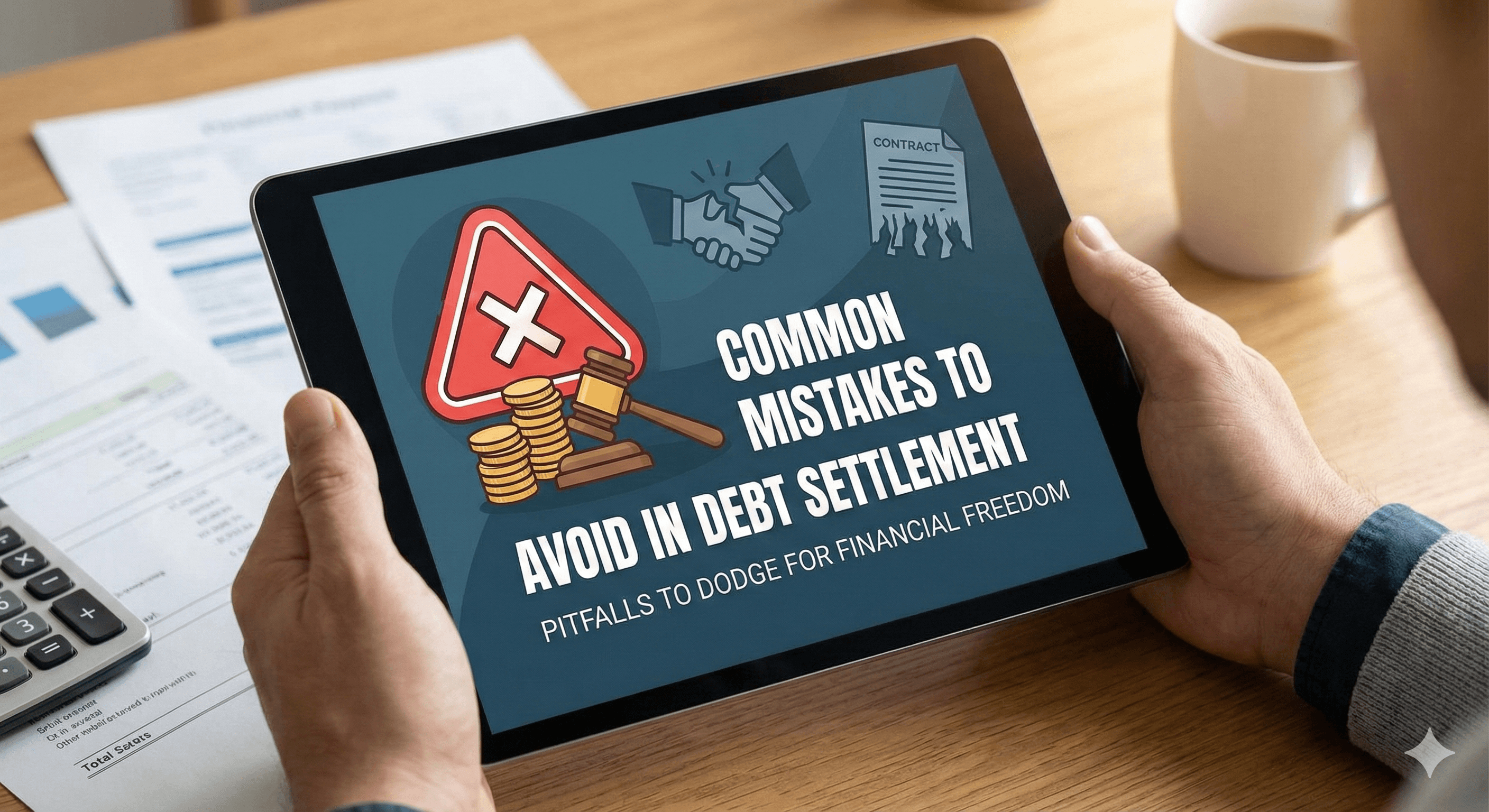
- Making payments without a written agreement
- Accepting the first offer without negotiating
- Not verifying account closure after settlement
- Ignoring tax implications of forgiven debt
- Settling accounts that are current or recently opened
- Not having funds ready when settlement is agreed
Rebuilding After Settlement
After settling your credit card debt, focus on rebuilding your financial health:
- Create and stick to a budget
- Build an emergency fund
- Make timely payments on remaining debts
- Monitor your credit report regularly
- Consider secured credit cards to rebuild credit
- Avoid accumulating new debt
Conclusion
Credit card debt settlement can be an effective strategy for resolving overwhelming debt, but it requires careful planning, negotiation skills, and financial discipline. Whether you choose to negotiate yourself or work with professionals, understanding the process and your options is crucial for success.
If you're struggling with credit card debt, don't wait until the situation becomes unmanageable. Explore settlement options early, and consider consulting with debt settlement professionals who can guide you through the process and help you achieve the best possible outcome for your financial situation.