
Introduction
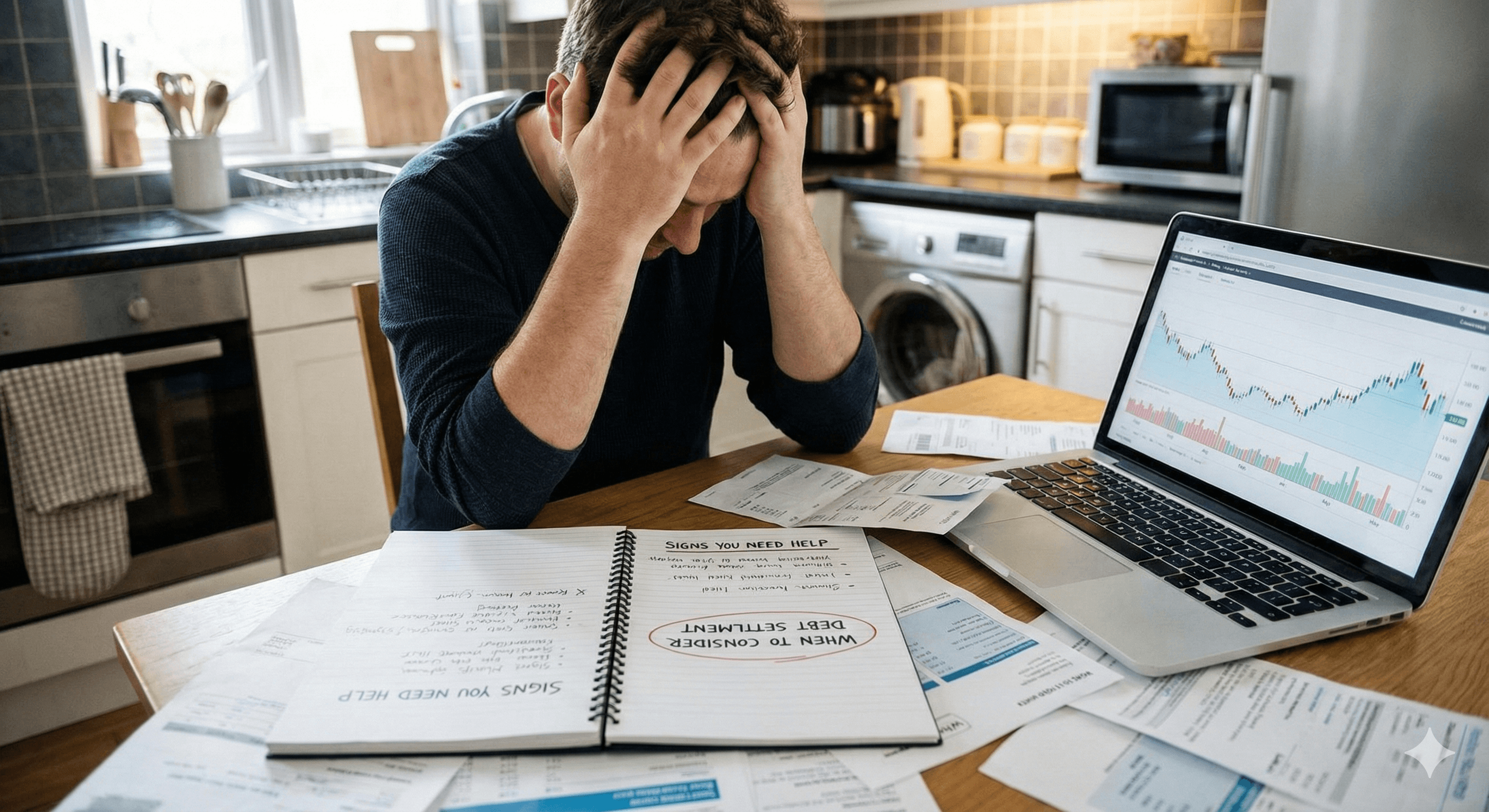
Debt can be manageable when you have control, but it can quickly spiral into an overwhelming situation. Recognizing when you need debt settlement help is crucial for preventing financial disaster. This guide will help you identify the signs that indicate it's time to consider debt settlement.
Early Warning Signs
1. Making Only Minimum Payments
If you're only able to make minimum payments on credit cards and loans, you're likely not making progress on reducing your debt. Minimum payments primarily cover interest, meaning your principal balance barely decreases. This is a red flag that your debt is becoming unmanageable.
2. Using Credit Cards for Daily Expenses
When you start using credit cards to pay for groceries, utilities, or other essential expenses because you don't have cash, it's a sign that your finances are stretched too thin. This creates a dangerous cycle of increasing debt.
3. Borrowing from One Creditor to Pay Another
If you're taking cash advances from one credit card to pay another, or taking new loans to pay old ones, you're in a debt cycle that will only worsen. This is a clear indicator that you need professional debt help.
4. Debt-to-Income Ratio Over 40%
Your debt-to-income ratio is calculated by dividing total monthly debt payments by monthly gross income. If this exceeds 40%, you're in a high-risk zone. Financial experts recommend keeping this ratio below 36%.
Moderate Warning Signs
5. Missing Payments or Paying Late
Missing payments or consistently paying late indicates you don't have enough cash flow to meet obligations. Late fees and penalties only make the situation worse, and your credit score is already being damaged.
6. Creditor Calls and Collection Notices
If creditors are calling you regularly or you're receiving collection notices, your accounts are delinquent. This is a strong sign that you need to consider settlement before the situation escalates further.
7. Maxed Out Credit Cards
When all or most of your credit cards are at their limits, you have no financial buffer. Any unexpected expense will push you over the edge, and you're paying high interest on maximum balances.
8. No Emergency Fund
If you have no savings and are living paycheck to paycheck, you're vulnerable to financial emergencies. Without a safety net, any unexpected expense can lead to default.
Severe Warning Signs
9. Accounts Going to Collections
When accounts are sent to collection agencies, the situation has escalated significantly. Collection agencies are more aggressive, and your credit is severely damaged. Settlement becomes more urgent at this stage.
10. Legal Threats or Notices
If you're receiving legal notices, threats of lawsuits, or wage garnishment warnings, immediate action is required. Settlement can help prevent legal action and protect your assets.
11. Considering Bankruptcy
If you're thinking about bankruptcy, debt settlement should be considered first. Settlement is less damaging to credit and can resolve debt without the severe long-term consequences of bankruptcy.
12. Stress Affecting Health and Relationships
When debt stress is causing health problems, sleep issues, anxiety, or relationship problems, it's time to take action. Your mental and physical well-being are more important than struggling with unmanageable debt.
Financial Indicators
Total Debt Exceeds Annual Income
If your total unsecured debt (credit cards, personal loans) exceeds your annual income, it's extremely difficult to pay off through regular payments. Settlement becomes a viable option.
Interest Payments Consuming Income
When a significant portion of your income goes toward interest payments rather than reducing principal, you're in a debt trap. Settlement can break this cycle.
Unable to Save or Invest
If all your money goes to debt payments with nothing left for savings or investments, you're not building wealth. Settlement can free up resources for financial growth.
Life Events That Trigger Need for Settlement
Job Loss or Reduced Income
Losing your job or experiencing a significant income reduction makes existing debt payments unaffordable. Settlement can help adjust your obligations to match your new financial reality.
Medical Emergency
Unexpected medical expenses can devastate finances. If medical bills have pushed you into debt, settlement can help you recover financially.
Divorce or Separation
Divorce often results in reduced household income while maintaining the same debt obligations. Settlement can help you manage debt with a single income.
Business Failure
If a business venture failed and left you with personal guarantees on business debt, settlement can help resolve these obligations.
When to Act Immediately
You should seek debt settlement help immediately if:
- You're receiving legal notices or threats of lawsuits
- Wage garnishment is being threatened
- You're considering bankruptcy
- Multiple accounts are in collections
- You're using retirement funds to pay debt
- Debt stress is affecting your health
- You're hiding debt from family members
Benefits of Acting Early
Addressing debt issues early provides several advantages:
- Better Settlement Terms: Creditors are more willing to negotiate when accounts are less delinquent
- Less Credit Damage: Acting before accounts go to collections minimizes credit score impact
- Lower Settlement Amounts: Early negotiation can result in better settlement percentages
- Reduced Stress: Taking action reduces anxiety and gives you a clear path forward
- Prevent Legal Action: Early settlement can prevent lawsuits and wage garnishment
- Faster Resolution: Starting earlier means finishing sooner
Self-Assessment Checklist
Answer these questions honestly:
- □ Are you only making minimum payments?
- □ Do you use credit cards for daily expenses?
- □ Is your debt-to-income ratio over 40%?
- □ Have you missed any payments in the last 6 months?
- □ Are creditors calling you regularly?
- □ Do you have maxed-out credit cards?
- □ Do you have no emergency savings?
- □ Are accounts in collections?
- □ Have you received legal notices?
- □ Is debt causing stress, anxiety, or health issues?
- □ Are you hiding debt from family?
- □ Have you considered bankruptcy?
If you answered "yes" to 3 or more questions, it's time to consider debt settlement.
What to Do Next
1. Stop the Bleeding
Stop using credit cards and taking new loans. Focus on essential expenses only.
2. Assess Your Situation
List all debts, interest rates, minimum payments, and your total income. Calculate your debt-to-income ratio.
3. Research Options
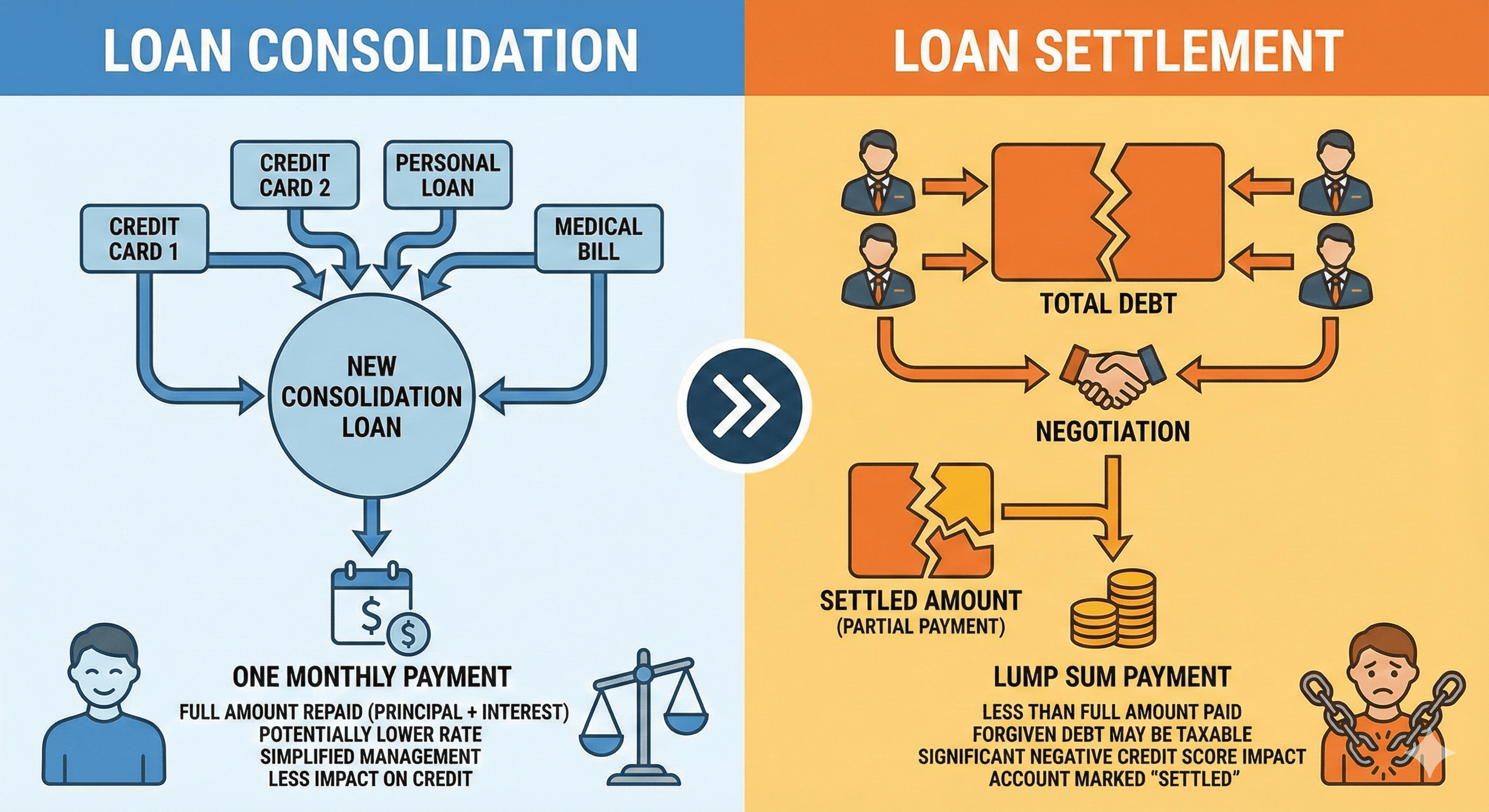
Learn about debt settlement, consolidation, and other debt relief options. Understand the pros and cons of each.
4. Consult Professionals
Speak with debt settlement professionals who can evaluate your situation and provide expert guidance.
5. Create a Plan
Work with professionals to create a settlement plan that addresses your specific situation and goals.
Common Misconceptions
"I Can Handle This Myself"
While some people can negotiate settlements, professionals have experience, relationships with creditors, and knowledge of best practices that typically result in better outcomes.
"Settlement Will Ruin My Credit Forever"
While settlement does impact credit, the damage is temporary. If you're already behind on payments, your credit is already affected. Settlement can actually help you rebuild faster than continued delinquency.
"I Should Wait Until I Have More Money"
Waiting often makes the situation worse. Interest accumulates, accounts go to collections, and legal action may be taken. Starting the process early is usually better.
Conclusion
Recognizing when you need debt settlement help is the first step toward financial recovery. If you're experiencing multiple warning signs, don't wait until the situation becomes critical. Early action can result in better settlement terms, less credit damage, and faster resolution.
Remember, seeking help is not a sign of failure—it's a sign of wisdom. Debt settlement professionals can guide you through the process, negotiate on your behalf, and help you achieve financial freedom. If you're seeing these warning signs, take action today and start your journey toward a debt-free future.