
Introduction
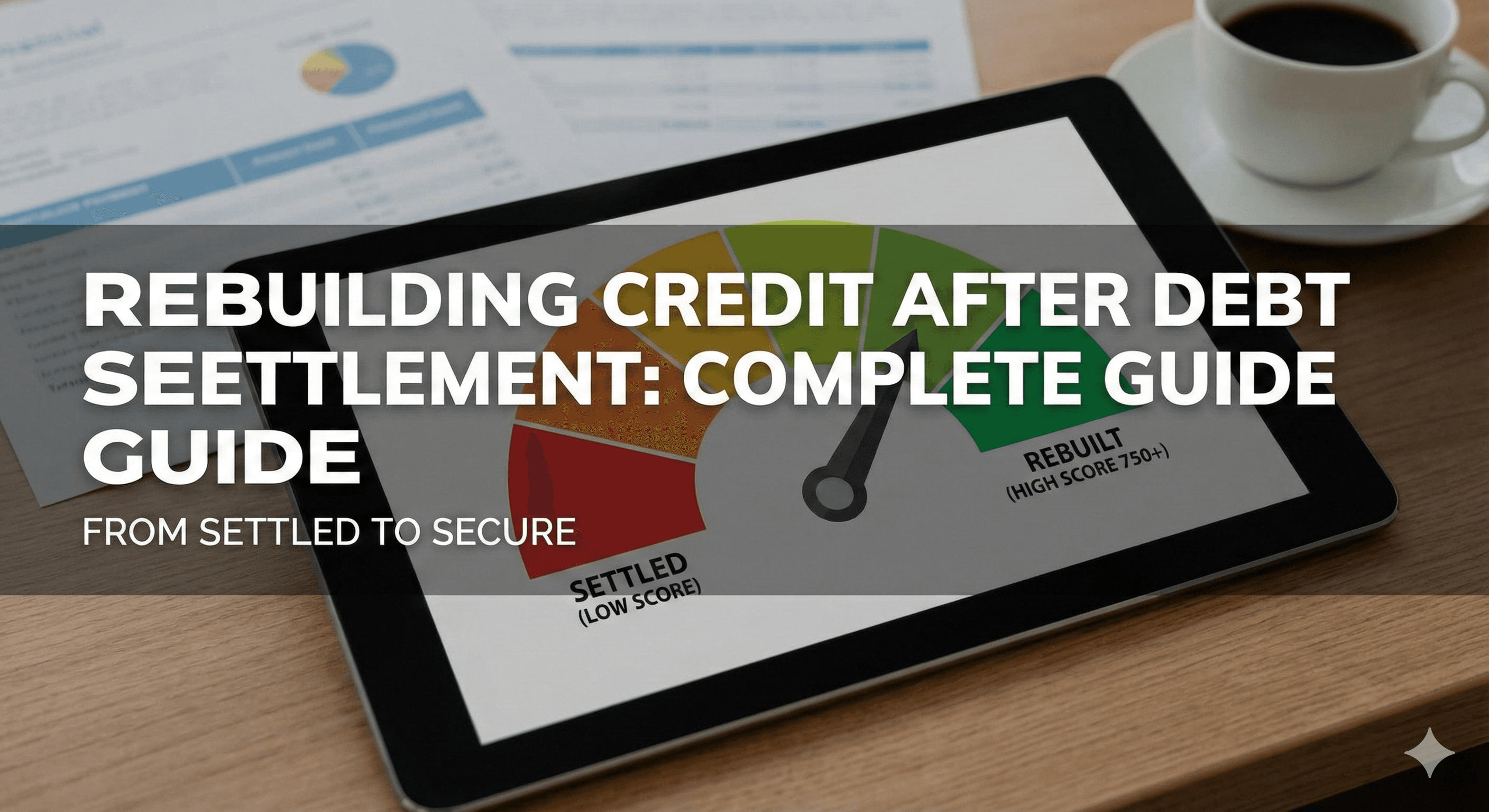
Debt settlement can provide much-needed financial relief, but it does impact your credit score. The good news is that credit damage from settlement is not permanent, and with the right strategies, you can rebuild your credit and achieve a healthy financial standing. This comprehensive guide will show you how to rebuild your credit after debt settlement.
Understanding Credit Score Impact
How Settlement Affects Your Credit
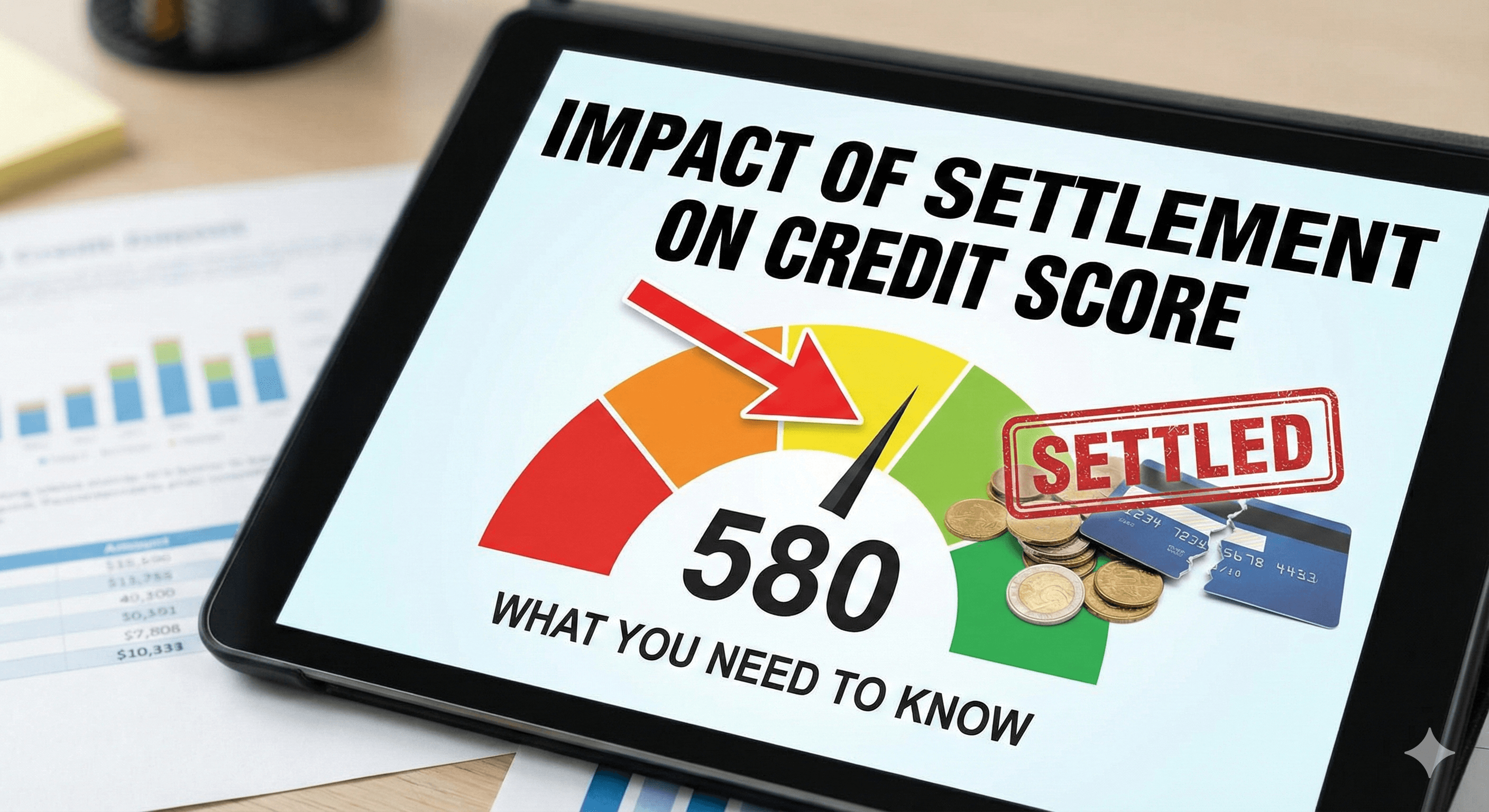
When you settle a debt, your credit report will show the account as "settled" rather than "paid in full." This indicates you paid less than the full amount, which can lower your credit score by 50-100 points. However, this is typically better than:
- Charge-offs (100-200 point drop)
- Bankruptcy (200+ point drop)
- Continued delinquency (ongoing damage)
Why Credit Rebuilding Matters
A good credit score is essential for:
- Getting approved for loans and credit cards
- Securing favorable interest rates
- Renting apartments or homes
- Some employment opportunities
- Lower insurance premiums
- Utility deposits
Immediate Steps After Settlement
1. Verify Settlement on Credit Reports
After settlement, check all credit bureaus (CIBIL, Experian, Equifax, CRIF) to ensure accounts are marked as "settled" or "paid-settled." Dispute any incorrect information using your settlement documentation.
2. Obtain and Keep All Documentation
Keep copies of:
- Settlement agreements
- No Objection Certificates (NOCs)
- Payment receipts
- Account closure letters
These documents are crucial for disputing errors and proving settlement completion.
3. Review Your Credit Reports
Get free credit reports from all bureaus and review them carefully. Look for:
- Accounts still showing as "outstanding" (should be "settled")
- Incorrect balances
- Duplicate entries
- Accounts that should be removed (after 7 years)
Credit Rebuilding Strategies
1. Make Timely Payments on Remaining Accounts
If you have any active credit accounts (loans, credit cards), make all payments on time. Payment history is the most important factor in credit scores (35% weight).
- Set up automatic payments to avoid missed payments
- Pay at least the minimum amount on time
- Consider paying more than minimum when possible
2. Keep Credit Utilization Low
Credit utilization (how much credit you use vs. available) accounts for 30% of your credit score. Keep it below 30%, ideally under 10%.
- If you have a credit card with ₹1,00,000 limit, keep balance under ₹30,000
- Pay down balances before statement closing date
- Use credit cards sparingly and pay off monthly
3. Build a Positive Payment History
Since payment history is crucial, focus on building a consistent record:
- Never miss a payment
- Pay all bills on time (utilities, rent, loans)
- Consider setting up payment reminders
- Use calendar alerts for due dates
4. Consider Secured Credit Cards
Secured credit cards require a security deposit but can help rebuild credit:
- Deposit acts as your credit limit
- Use card responsibly and pay on time
- After 6-12 months of good behavior, may convert to unsecured
- Choose cards that report to all credit bureaus
5. Become an Authorized User
If a family member has good credit, ask to be added as an authorized user:
- Their positive payment history can help your score
- You don't need to use the card
- Make sure the account has good payment history
- Verify the card issuer reports authorized users
6. Apply for Credit Builder Loans
Credit builder loans are designed to help rebuild credit:
- Loan amount is held in a savings account
- You make monthly payments
- After completion, you receive the money plus interest
- Positive payment history is reported to credit bureaus
Timeline for Credit Recovery
0-6 Months After Settlement
- Focus on making all payments on time
- Keep credit utilization low
- Dispute any errors on credit reports
- Consider secured credit card or credit builder loan
- Expected improvement: 20-40 points
6-12 Months After Settlement
- Continue positive payment history
- Maintain low credit utilization
- Consider applying for additional credit (if qualified)
- Monitor credit reports regularly
- Expected improvement: 40-80 points
12-24 Months After Settlement
- Settlement impact begins to fade
- Positive payment history accumulates
- Credit mix improves with different account types
- May qualify for better credit products
- Expected improvement: 80-120 points
2-3 Years After Settlement
- Settlement has minimal impact
- Strong payment history established
- May qualify for most credit products
- Credit score approaching pre-settlement levels
- Expected improvement: 100-150+ points
Common Mistakes to Avoid
1. Closing All Credit Accounts
Don't close all credit accounts after settlement. Having active accounts with good payment history helps rebuild credit. Keep accounts open and use them responsibly.
2. Applying for Too Much Credit
Multiple credit applications create hard inquiries that temporarily lower your score. Space out applications and only apply when necessary.
3. Maxing Out Credit Cards
High credit utilization hurts your score. Keep balances low relative to credit limits.
4. Ignoring Credit Reports
Regularly check credit reports for errors. Dispute incorrect information promptly.
5. Not Having Any Credit
Having no credit accounts makes it impossible to rebuild credit. You need active accounts with positive payment history.
Monitoring Your Progress
Check Credit Reports Regularly
Review credit reports from all bureaus every 3-6 months. Look for:
- Improvements in payment history
- Reduced credit utilization
- New positive accounts
- Errors or inaccuracies
Use Credit Monitoring Services
Consider using credit monitoring services that provide:
- Regular credit score updates
- Alerts for credit report changes
- Identity theft protection
- Credit score simulators
Building Healthy Financial Habits
Create and Stick to a Budget
A budget helps you:
- Live within your means
- Avoid accumulating new debt
- Save for emergencies
- Plan for future expenses
Build an Emergency Fund
An emergency fund prevents you from relying on credit for unexpected expenses:
- Start with ₹10,000-₹50,000
- Build to 3-6 months of expenses
- Keep in a separate savings account
- Only use for true emergencies
Use Credit Responsibly
After rebuilding credit, maintain good habits:
- Only charge what you can pay off monthly
- Avoid carrying balances when possible
- Pay bills on time, every time
- Keep credit utilization low
When Settlement Falls Off Your Credit Report
Negative information, including settlements, typically remains on credit reports for 7 years from the date of first delinquency. After this period:
- The settlement entry is automatically removed
- Your credit score may improve further
- You can apply for credit without settlement history
- You've had time to build positive credit history
Seeking Professional Help
If you're struggling to rebuild credit, consider:
- Credit Counseling: Non-profit organizations can provide guidance
- Financial Advisors: Professionals can help create a credit rebuilding plan
- Credit Repair Services: Be cautious and research thoroughly before using
Success Stories: Real Results
Many people successfully rebuild credit after settlement:
- Case 1: Credit score improved from 580 to 720 in 24 months through consistent on-time payments and low credit utilization
- Case 2: Used secured credit card and credit builder loan to rebuild from 550 to 680 in 18 months
- Case 3: Became authorized user on family member's account and improved score by 100 points in 12 months
Conclusion
Rebuilding credit after debt settlement is absolutely possible with patience, discipline, and the right strategies. While settlement does impact your credit score, the damage is temporary and manageable. By making timely payments, keeping credit utilization low, and building positive credit history, you can recover and even exceed your pre-settlement credit score.
Remember, credit rebuilding is a marathon, not a sprint. Focus on consistent, responsible credit behavior, and your score will improve over time. The key is to start immediately after settlement and maintain good financial habits. With dedication and the right approach, you can achieve a healthy credit score and financial future.